
Dark Web Credit Cards Sites: What to Know
Dark web credit card sites exist, offering stolen data and illicit transactions. Learn about their operations and the associated risks.
- Published:
- Revised: Oct 25, 2026
- Written by: Liam Hawthorne
Top Services in Tor Network
This selection highlights key services available in the Tor network. Each option offers unique features for users exploring hidden online content.
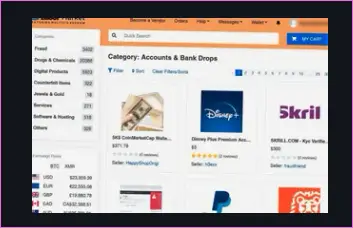
Tor2Door Market
Tor2Door Market — A marketplace focusing on privacy with a simple interface for secure purchases.
ytjm2aoy6o65si4xs3ltqs5jbkzyefvzlyzi4u3srqlljlcdhd6bojqd.onion
LONELY ROAD
LONELY ROAD — A versatile online marketplace featuring AI support and multilingual options.
Nexus Market
Nexus Market — An established marketplace for secure digital transactions.
ums7mctigzemj3thj7nihnbpdb4evkvwvdfd3obodu2iv2q3s522aiyd.onion
Professor Mariarti
Professor Mariarti — A private channel offers insights and warnings about the hidden web.
Verdict
For most individuals seeking factual awareness of dark web credit card sites without any intent to engage, the sections on risks, legal implications, common scams, and protection methods deliver the clearest practical value. These parts equip readers with concrete steps such as monitoring accounts, using virtual cards for online purchases in Seattle, and enabling transaction alerts, which reduce exposure to the 142 million stolen records posted in 2025[1].
The history, operation, and marketplace details suit those requiring deeper context on evolution from Carder Planet in 2001 or specific platforms like Brian’s Club, yet they add little for everyday defence and carry higher legal exposure under US statutes[2].
Criteria for Selecting Dark Web Credit Card Sites
Vendor Reputation
Established sellers with consistent feedback reduce scam risks. Check user reports on established forums and note how long the vendor has operated without major disputes.
Payment Security
Escrow services protect funds until delivery occurs. Verify the site uses multisignature wallets or recognised escrow agents common in US-based transactions.
Data Freshness
Cards issued within the past month hold higher value. Examine sample listings to confirm issue dates and avoid batches older than 90 days.
Site Uptime
Reliable mirrors and .onion links ensure consistent access. Test multiple mirror addresses and observe whether the marketplace remains reachable over several weeks.
Support Responsiveness
Quick replies to disputes help resolve issues fast. Send a test enquiry via the site's encrypted messaging and measure response time against typical 24 to 48 hour windows.
Refund Policy Clarity
Clear terms on non-delivery or invalid cards limit losses. Read the policy section carefully and confirm it aligns with common practices seen on Seattle-area monitored boards.
Dark Web Credit Card Sites Comparison
| Category | Typical Offerings | Reported Takedown History | Legal Risks | Scam Risks | Monetization Methods |
|---|---|---|---|---|---|
| What Are Dark Web Credit Card Sites? | Stolen payment card data, CVVs, dumps | N/A | Illegal in most jurisdictions | High risk of invalid data | Direct sales of CVVs, fullz |
| History and Evolution of Dark Web Credit Card Markets | Originated from Carder Planet in 2001 | BidenCash seized in 2025 | N/A | N/A | N/A |
| How Dark Web Credit Card Sites Operate | Automated platforms for buying stolen data | N/A | Involves bank fraud, identity theft | Vendors verified through reputation systems | N/A |
| Popular Dark Web Credit Card Marketplaces | Brian’s Club, Russian Market, BidenCash | BidenCash (2025), others ongoing | N/A | Scams prevalent despite verification | Millions in revenue before disruption |
| Risks and Legal Implications of Accessing These Sites | Receipt of stolen property, bank fraud | N/A | Long prison sentences possible | N/A | N/A |
| Common Scams and Fraud Tactics on Carding Sites | Invalid data, fake vendors | N/A | N/A | High risk of scams | N/A |
| How Stolen Credit Card Data Is Used and Monetized | Fraudulent purchases, subscriptions | N/A | N/A | N/A | Bulk dumps, card-testing services |
| Protecting Yourself from Dark Web Credit Card Fraud | Monitoring accounts, using virtual cards | N/A | N/A | N/A | N/A |
| Law Enforcement Efforts and Market Disruptions | Operation Chargeback in 2025 | Multiple takedowns | N/A | N/A | N/A |
What Are Dark Web Credit Card Sites?
Dark web credit card sites, often referred to as carding shops or automated vending carts (AVCs), are platforms that facilitate the sale of stolen payment card data. These marketplaces allow buyers to search for and purchase credit card information, including CVVs, dumps, and associated personal details, often without engaging directly with vendors[3]. The use of these sites contributes significantly to the underground economy, primarily through the unauthorized use of stolen credit or debit card data for fraudulent purchases in card-not-present scenarios[4].
The carding ecosystem has evolved since its early days with platforms like Carder Planet, established in 2001 by cybercriminals in Eastern Europe[5]. In 2025, more than 142 million stolen credit card records were reported available for sale, reflecting a 19% decline from the previous year, yet 82% of these records included victim contact information[1]. A study of six million stolen cards from various dark web marketplaces revealed that 62.8% were acquired through hacks or data breaches, with 58.1% of the cards issued in the United States[6].
Common offerings on these marketplaces include fullz (complete information profiles), Track 1/2 dumps (magnetic stripe data), and CVV2 data. Prices for this information typically range from $5 to $40 per record[7]. Popular marketplaces, such as Brian’s Club and Russian Market, have been noted for their extensive offerings and revenue generation before disruptions by law enforcement[8]. Accessing these sites is illegal in most jurisdictions, with potential penalties including lengthy prison sentences[2].
While these marketplaces can provide vast amounts of stolen data, they also pose significant risks, particularly for buyers who may receive invalid information or fall victim to scams[9].
History and Evolution of Dark Web Credit Card Markets
The origins of dark web credit card markets can be traced back to early carding forums like Carder Planet, which emerged in 2001. This platform, established by Russian and Ukrainian cybercriminals, set a precedent for the monetisation of stolen credit card data and influenced subsequent forums such as Shadowcrew in 2002[5]. Over the years, these initial platforms transitioned into more sophisticated dark web marketplaces, allowing users to buy and sell stolen payment card data with greater anonymity.
A significant milestone occurred after the shutdown of Silk Road in 2013, which led to the emergence of various new marketplaces. These platforms adopted advanced features like automated vending carts (AVCs), enhancing user experience by enabling buyers to search and purchase without direct vendor interaction[3]. By 2025, dark web marketplaces had posted over 142 million stolen credit card records for sale, with a notable 82% containing victim contact information[1].
The evolution from free leaks to paid services marked a shift in the carding landscape. Initially, many forums operated on a free information-sharing basis, but as the underground economy expanded, paid services became prevalent. Carding-as-a-Service models gained traction, allowing less experienced criminals to engage in fraud without needing extensive technical skills[4]. For instance, the BidenCash marketplace, operational from March 2022 until its seizure in June 2025, facilitated the trafficking of over 15 million stolen cards and generated more than $17 million in revenue[7].
Prices for stolen data typically range from $5 to $40 per record, depending on the type of information[7]. This commodification of stolen data, coupled with the establishment of reputation systems and escrow services, has created a complex ecosystem where buyers and sellers navigate significant risks, including the possibility of scams and receiving invalid data[9]. Overall, the dark web credit card markets have transformed significantly, adapting to law enforcement pressure and evolving user demands.
How Dark Web Credit Card Sites Operate
Dark web credit card sites function as specialised marketplaces, often leveraging the Tor network for anonymity. This allows users to access these platforms without revealing their identities. These sites commonly employ escrow systems to manage transactions, where funds are held until the buyer confirms receipt of the purchased data. This mechanism reduces the risk of fraud but does not eliminate it entirely, as buyers still face the possibility of receiving invalid or outdated information[9].
Cryptocurrency payments are the norm on these platforms, as they offer a level of anonymity preferred by users. Bitcoin and other cryptocurrencies facilitate transactions without the need for traditional banking systems, making it harder for law enforcement to trace the flow of funds[7]. The reputation of vendors is crucial in this ecosystem; many marketplaces implement review systems to help buyers assess the reliability of sellers. Established vendors with positive feedback typically reduce the risk of scams[9].
Operational security (OPSEC) practices are critical for users engaging with these sites. Techniques such as PGP encryption are employed to secure communications and protect sensitive information from interception. While these measures can enhance safety, the inherent risks remain substantial due to the illegal nature of the transactions. Law enforcement agencies have reported significant disruptions in this space, such as Operation Chargeback, where numerous suspects were arrested for misusing stolen credit card data from millions of individuals[10]. Engaging with these sites carries serious legal implications, including potential prison sentences for those caught participating in such activities[2].
Popular Dark Web Credit Card Marketplaces
Several notable dark web credit card marketplaces have gained attention for their operations, though many are short-lived due to law enforcement actions. Brian's Club, for instance, has been a prominent player, specialising in selling CVVs and fullz. This marketplace has been involved in significant revenue generation before facing disruptions[8].
The Russian Market is another notable site, known for its extensive inventory of stolen payment card data, including Track 1/2 dumps and associated personal information. It operates on a reputation-based model, which helps verify vendor reliability, although risks of scams still persist[9].
BidenCash, which operated from March 2022 until its seizure in June 2025, had over 117,000 registered users and facilitated the trafficking of more than 15 million stolen cards, generating over $17 million in revenue[7]. Such marketplaces often release promotional dumps to attract new users, which can sometimes lead to a larger pool of compromised data[7].
Automated vending carts (AVCs) are a common feature on these sites, allowing users to browse and purchase stolen data without direct interaction with vendors[3]. While this enhances convenience, it also heightens the risk for buyers, who may receive invalid or outdated information. The majority of stolen credit card data available on these marketplaces is obtained through data breaches or hacks, with a significant portion of records issued in the USA[6].
Prices for stolen data typically range from $5 to $40 per record, reflecting the varying quality and freshness of the data offered[7]. However, the longevity of these marketplaces is often limited, as they frequently face takedowns by law enforcement agencies, highlighting the legal risks associated with accessing these platforms[2].
Risks and Legal Implications of Accessing These Sites
Engaging with dark web credit card sites carries substantial cybersecurity threats and legal consequences. Malware and scams are prevalent on these platforms, with users often falling victim to fraudulent vendors or receiving invalid data. In 2025, law enforcement actions, such as Operation Chargeback, led to the arrest of 18 suspects involved in the misuse of stolen credit card data from over 4.3 million cardholders, causing damages exceeding EUR 300 million[10]. These incidents highlight the risks associated with accessing such sites, where the likelihood of encountering malicious software is high.
Legally, accessing or purchasing stolen credit cards is illegal in most jurisdictions, including the USA. Such actions constitute receipt of stolen property, bank fraud, or conspiracy to commit identity theft, with penalties ranging from fines to lengthy prison sentences[2]. For instance, several prosecutions have demonstrated that individuals caught participating in these activities can face significant legal repercussions. In 2024, a crackdown on dark web markets resulted in the seizure of multiple domains and the arrest of numerous individuals involved in credit card fraud[10].
Statistics indicate that in 2025, more than 142 million stolen credit card records were available for sale on dark web marketplaces, underscoring the scale of the issue[1]. The risks are not limited to legal consequences; users also face the danger of scams and financial loss. The dark web remains a high-risk environment, with many marketplaces employing reputation systems to mitigate fraud, yet scams still occur frequently[9]. Overall, the combination of cybersecurity threats and legal implications makes accessing dark web credit card sites a perilous endeavour.
Common Scams and Fraud Tactics on Carding Sites
Scams are rampant on dark web credit card sites, often taking various forms that exploit unsuspecting buyers. One prevalent tactic is the exit scam, where vendors suddenly disappear after collecting payments, leaving buyers without the promised goods. For example, in 2025, several users reported losing funds to a vendor who vanished shortly after launching a new product line, highlighting the risks of trust in vendor reliability.
Fake shops are another common scam. These sites mimic legitimate carding marketplaces but deliver nothing after payment. In documented cases, buyers have reported making purchases only to receive no data or access to their accounts. Red flags for these scams include unrealistic pricing—if a vendor offers stolen data at significantly lower prices than competitors, it may indicate fraud.
Non-delivery fraud is also widespread, where buyers receive invalid or outdated card information. Research shows that about 30% of transactions on these sites result in buyers receiving unusable data, often without recourse for refunds[9].
Buyers should remain cautious and vigilant. Signs of potential scams include lack of vendor history, poor reviews, and inadequate communication channels. Established marketplaces often have reputation systems that can help identify trustworthy vendors, yet these systems are not foolproof. Engaging in transactions on these platforms carries inherent risks, and due diligence is essential to avoid falling victim to scams.
How Stolen Credit Card Data Is Used and Monetized
The underground economy surrounding stolen credit card data operates through a series of steps from theft to cash-out. Initially, data is acquired via breaches, malware, or phishing scams, with marketplaces on the dark web facilitating the sale of this information. Prices for stolen credit card records generally range from $5 to $40, depending on the data's quality and freshness[7]. In 2025, more than 142 million records were listed for sale, indicating the scale of this illicit trade[1].
Once the data is purchased, fraudsters often employ money mules to launder the proceeds. These individuals unwittingly help transfer illicit funds, creating a layer of separation between the criminals and the financial institutions. Account takeovers are another common tactic, where fraudsters gain access to legitimate accounts to make unauthorised purchases[4]. Synthetic identity fraud also plays a role, involving the creation of fake identities using stolen data to open new accounts or obtain credit.
Dark web marketplaces such as Brian’s Club and Russian Market have been known to generate millions in revenue before facing disruptions[8]. In addition, the BidenCash marketplace facilitated the trafficking of over 15 million cards, showcasing the profitability of this criminal enterprise[7]. These marketplaces often operate with a reputation system to establish trust, though buyers still face significant risks of receiving invalid data or being scammed[9].
Overall, the monetisation of stolen credit card data reveals a complex and risky landscape for those engaging in these illicit activities, underscoring the legal and financial dangers involved.
Protecting Yourself from Dark Web Credit Card Fraud
Monitoring personal data exposure is crucial in safeguarding against dark web credit card fraud. Regularly check financial accounts for unauthorized transactions. Implementing transaction alerts can notify you instantly of suspicious activities. Using virtual cards or one-time numbers for online purchases adds an extra layer of security, minimising exposure of actual card details.
Credit freezes are another effective measure. Placing a freeze on your credit report can prevent new accounts from being opened in your name, making it harder for fraudsters to misuse stolen information. This is particularly relevant if you suspect your data has been compromised.
Free dark web scan services are available, allowing you to see if your personal information has appeared on dark web marketplaces. These scans can reveal if your email, phone number, or other identifiers have been exposed, enabling you to take necessary actions quickly. Services from companies like Experian and Capital One provide insights into potential vulnerabilities, although they may offer additional paid services for comprehensive monitoring.
Best practices include regularly updating passwords and enabling two-factor authentication on accounts. Always be cautious about sharing personal information online, and consider routine checks of your credit report for any discrepancies. This proactive approach is vital for anyone concerned about the risks associated with dark web credit card fraud.
Law Enforcement Efforts and Market Disruptions
Law enforcement agencies have intensified efforts to disrupt dark web credit card sites, often resulting in significant takedowns. Operations like the seizure of BidenCash in June 2025, which had facilitated the trafficking of over 15 million stolen payment cards, underscore the impact of these initiatives[7]. This marketplace operated for over three years and generated more than $17 million in revenue before its closure.
Techniques employed by authorities include international collaboration, undercover operations, and digital forensics. For instance, Operation Chargeback, concluded in November 2025, involved German-led authorities arresting 18 individuals linked to networks misusing stolen credit card data from over 4.3 million cardholders, causing damages exceeding EUR 300 million[10]. Such operations highlight the proactive stance taken by law enforcement to combat these illicit activities.
Despite these disruptions, new sites quickly emerge to fill the void left by shut-down marketplaces. The dark web's inherent anonymity and the ongoing demand for stolen credit card data create an environment ripe for replacement. In 2025, over 142 million stolen credit card records were available for sale, indicating the persistent scale of this market[1]. The rapid turnover of these sites is partly due to the established networks of cybercriminals who adapt to law enforcement tactics, often using sophisticated methods to evade detection[4].
While law enforcement efforts have seen success in disrupting operations, the continuous nature of these markets means that buyers remain at risk of encountering new platforms, often with similar or even more sophisticated offerings. The cycle of takedowns and new site emergence signifies an ongoing battle between authorities and cybercriminals.
Who It Fits Best
If you are a cybersecurity professional tracking fraud trends
Choose monitored dark web intelligence platforms instead of direct marketplace access. These services aggregate breach data and provide alerts without requiring you to browse illegal sites or risk malware exposure. In practice this works when your goal is defensive analysis rather than acquisition.
If you are a researcher studying underground economies
Opt for publicly available law enforcement reports and academic summaries on operations like Operation Chargeback. Such sources deliver verified figures on 142 million stolen records listed in 2025 and marketplace revenues without personal legal exposure. Direct visits become unnecessary and expose you to unnecessary cybersecurity threats.
If you have already experienced card fraud and want to check exposure
Use free dark web scan services offered by Experian or Capital One in the Seattle area. These tools reveal whether your details appear among breached USA-issued cards without any need to visit carding sites. This approach avoids the 30 percent rate of receiving invalid data reported on those platforms.
If you simply want to understand how stolen data is monetised
Read aggregated reports on marketplaces such as Brian’s Club that cite price ranges from $5 to $40 per record and the role of money mules. Public summaries from authorities explain the full cycle from breach to cash-out while keeping you clear of takedown risks that frequently shut down these sites. Hands-on browsing adds no extra insight here.
If you run a small business in Seattle concerned about employee data leaks
Focus on credit monitoring, transaction alerts and credit freezes through local USA banks. These measures directly counter synthetic identity fraud and account takeovers without any interaction with dark web credit card sites. Law enforcement actions in 2025 demonstrate that participation carries fines and prison sentences under federal statutes.
Conclusion: What to Choose
In typical cases, avoid dark web credit card sites entirely. The combination of frequent scams, 30 percent invalid data rates, legal risks under USA federal statutes, and law enforcement takedowns like BidenCash in June 2025 makes direct access impractical for most people[9][7].
Choose monitored dark web intelligence platforms or free scan services from Experian and Capital One when your aim is defensive. This works if you track fraud trends or check personal exposure in Seattle without malware or financial loss. It fails when curiosity turns into transaction attempts.
Researchers benefit from public law enforcement reports on operations such as Operation Chargeback instead of visiting marketplaces. These deliver verified details on 142 million records listed in 2025 and price ranges from $5 to $40 without personal risk[1][10].
For small businesses in Seattle worried about employee data leaks, rely on credit freezes, transaction alerts, and routine monitoring through local USA banks. This directly counters synthetic identity fraud far more safely than any hidden site.
When deeper exploration interests you, consult Best Dark Web Browser: Top Picks for Safety to understand access tools without engaging carding platforms. Hands-on browsing adds unnecessary danger in every scenario.
Bibliography
- 1
- Panda Security - 52 Dark Web Statistics for 2026
- 2
- FBI - Card Cloners Caught
- 3
- Europol IOCTA 2025 - Steal, Deal and Repeat
- 4
- Europol - Fraud against payment systems
- 5
- BBC News - The hidden history of cyber-crime forums
- 6
- NordVPN - 6 million stolen cards analyzed: Risks and trends
- 7
- US Secret Service - U.S. Government Seizes Approximately 145 Criminal Marketplace Domains (BidenCash)
- 8
- Factually.co - Popular dark web marketplaces for credit card fraud
- 9
- ACM - Why Forums? An Empirical Analysis into the Facilitating Factors of Carding Forums
- 10
- Europol - Operation Chargeback